[Get the best value shark tracking bracelet on Amazon today!]
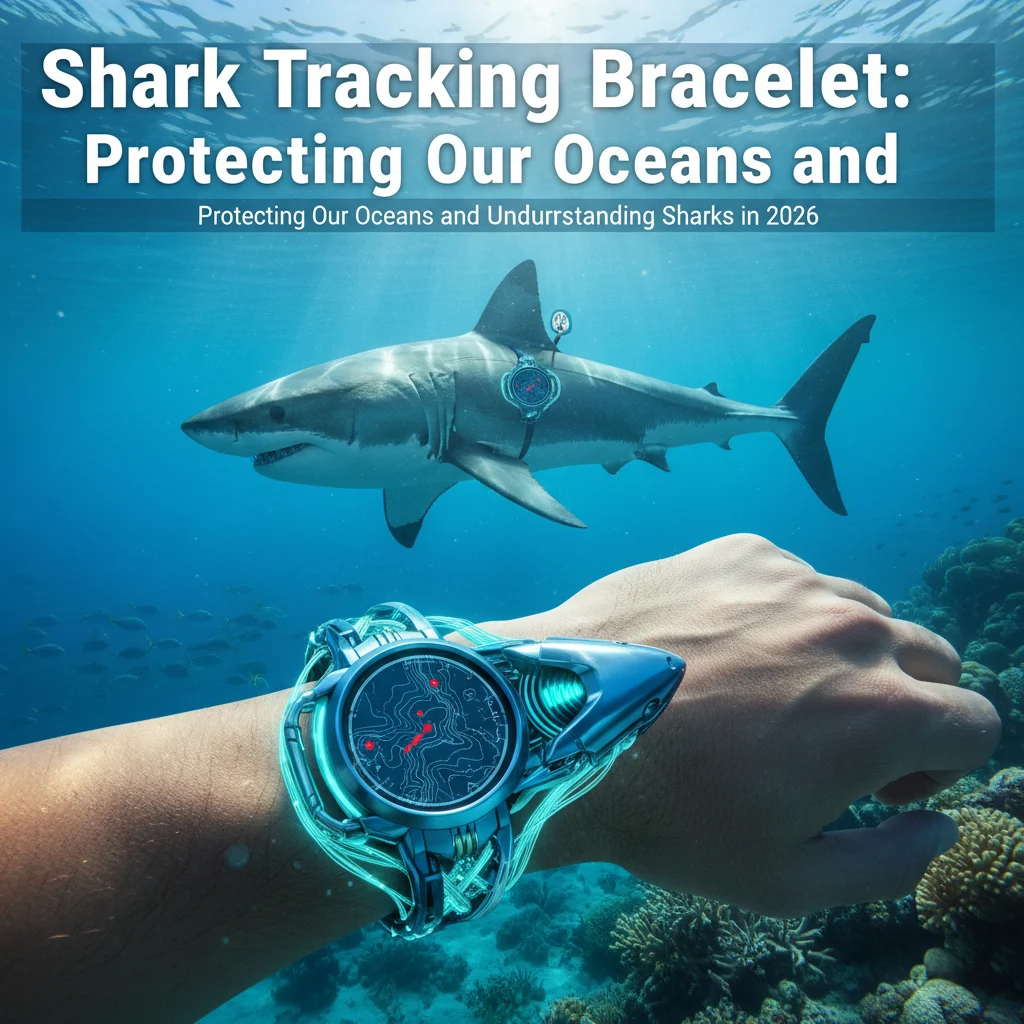
# Shark Tracking Bracelet: Protecting Our Oceans and Understanding Sharks in 2026
Imagine a world where we can understand the secret lives of sharks, protect them from harm, and ensure the health of our oceans for generations to come. That future is closer than you think, thanks to innovative shark tracking bracelets. In 2026, these aren’t just cool gadgets; they’re powerful tools for conservation and scientific discovery. This article will dive into how these bracelets work, their impact on shark conservation, and what the future holds for shark research.
[Browse top-rated shark tracking bracelet on Amazon]
## Why Track Sharks? Understanding the Importance
Sharks, often misunderstood and feared, play a vital role in marine ecosystems. As apex predators, they help regulate populations of other marine species, ensuring a balanced food web. However, shark populations are declining globally due to overfishing, habitat destruction, and climate change.
Understanding shark behavior, migration patterns, and habitat use is crucial for effective conservation efforts. Traditional tracking methods, like tagging with bulky devices, can be invasive and may not provide the detailed, real-time data needed. Shark tracking bracelets offer a more refined and less disruptive approach.
[Browse top-rated shark tracking bracelet on Amazon]
## The Solution: Shark Tracking Bracelets and Their Impact
Shark tracking bracelets represent a significant leap forward in marine conservation technology. These devices, typically attached to a shark’s dorsal fin or other suitable location, use a combination of technologies to gather and transmit valuable data.
* **GPS Tracking:** Provides real-time location data, allowing researchers to monitor shark movements and identify critical habitats.
* **Depth Sensors:** Record diving behavior, revealing information about feeding habits and habitat preferences.
* **Accelerometers:** Track movement patterns and activity levels, offering insights into energy expenditure and behavior.
* **Satellite Communication:** Transmits data to researchers remotely, enabling continuous monitoring without the need for physical recapture.
These bracelets are designed to be minimally invasive, lightweight, and hydrodynamic, minimizing any impact on the shark’s natural behavior. The data collected is invaluable for:
* **Identifying critical habitats:** Pinpointing areas where sharks feed, breed, or migrate, allowing for targeted conservation efforts.
* **Understanding migration patterns:** Tracking long-distance movements to protect sharks across their entire range.
* **Assessing the impact of human activities:** Evaluating the effects of fishing, pollution, and climate change on shark populations.
* **Developing effective conservation strategies:** Informing management decisions and policies to protect sharks and their habitats.
**Product Recommendation: The AquaTrack Pro**
For researchers and conservationists looking for a reliable and advanced shark tracking solution, the AquaTrack Pro is a top contender. This bracelet features:
* **High-Precision GPS:** Accurate location tracking with minimal error.
* **Durable Construction:** Built to withstand harsh marine environments.
* **Long Battery Life:** Allows for extended tracking periods.
* **User-Friendly Interface:** Easy data access and analysis.
The AquaTrack Pro empowers researchers to gather comprehensive data and make informed decisions for shark conservation.
[Browse top-rated shark tracking bracelet on Amazon]
## What to Look For in a Shark Tracking Bracelet
Choosing the right shark tracking bracelet is crucial for successful research and conservation efforts. Consider the following factors:
* **Size and Weight:** The bracelet should be appropriately sized for the target shark species to minimize any impact on movement or behavior.
* **Attachment Method:** The attachment method should be secure but also allow for easy removal or degradation over time.
* **Data Accuracy:** Look for bracelets with high-precision sensors and reliable data transmission.
* **Battery Life:** Choose a bracelet with sufficient battery life to meet the needs of your research project.
* **Durability:** The bracelet should be able to withstand the harsh marine environment, including saltwater, pressure, and temperature fluctuations.
* **Data Accessibility:** Ensure that the data can be easily accessed and analyzed.
* **Cost:** Consider the cost of the bracelet, including any ongoing data transmission fees.
**Ethical Considerations:**
It’s important to emphasize that shark tracking should always be conducted ethically and responsibly. Researchers should obtain the necessary permits and approvals, minimize stress to the animals, and ensure that the bracelets are deployed and retrieved in a safe and humane manner. Consult with experienced marine biologists and conservationists to ensure best practices are followed.
[Browse top-rated shark tracking bracelet on Amazon]
## The Future of Shark Tracking: 2026 and Beyond
In 2026, shark tracking bracelets are poised to become even more sophisticated and widely used. Advances in technology will likely lead to:
* **Smaller and lighter bracelets:** Minimizing impact on shark behavior.
* **Improved sensor technology:** Gathering more detailed data on shark physiology and behavior.
* **Real-time data analysis:** Enabling immediate responses to threats such as illegal fishing.
* **Integration with AI and machine learning:** Identifying patterns and predicting shark behavior.
* **Citizen science initiatives:** Engaging the public in shark tracking and conservation efforts.
These advancements will provide a deeper understanding of shark behavior and ecology, enabling more effective conservation strategies and ensuring the long-term health of our oceans.
**Harnessing the Power of Bioacoustics:**
One exciting area of development is the integration of bioacoustics into shark tracking. Underwater microphones, or hydrophones, can be incorporated into the bracelets to record the sounds sharks make, as well as the ambient noise of their environment. This data can provide insights into:
* **Communication:** Understanding how sharks communicate with each other.
* **Prey Detection:** Identifying the sounds of potential prey.
* **Habitat Use:** Characterizing the acoustic environment of different habitats.
* **Human Impact:** Assessing the impact of noise pollution on shark behavior.
**Satellite Tagging and Data Integration:**
Combining bracelet technology with satellite tagging allows for a more comprehensive understanding of shark movements across vast distances. Satellite tags can track sharks as they migrate across oceans, while bracelets provide detailed data on their behavior in specific locations. Integrating these data sources provides a holistic view of shark ecology.
**The Role of Artificial Intelligence:**
AI and machine learning are playing an increasingly important role in shark tracking. These technologies can be used to:
* **Analyze large datasets:** Identifying patterns and trends in shark behavior.
* **Predict shark movements:** Forecasting where sharks are likely to be based on environmental conditions and historical data.
* **Detect anomalies:** Identifying unusual behavior that may indicate a problem, such as injury or illness.
* **Automate data processing:** Streamlining the analysis of large volumes of data.
**Community Engagement and Citizen Science:**
Engaging the public in shark tracking can raise awareness about shark conservation and empower people to take action. Citizen science initiatives can involve:
* **Reporting shark sightings:** Collecting data on shark distribution and abundance.
* **Analyzing tracking data:** Helping researchers identify patterns and trends.
* **Participating in beach cleanups:** Reducing pollution that can harm sharks and their habitats.
* **Supporting sustainable fisheries:** Choosing seafood that is harvested in a way that minimizes impact on shark populations.
[Browse top-rated shark tracking bracelet on Amazon]
## Final Verdict: Protecting Our Oceans, One Bracelet at a Time
Shark tracking bracelets are revolutionizing our understanding of these magnificent creatures and empowering us to protect them. By 2026, these technologies will be even more advanced and widely used, providing invaluable data for conservation efforts. By supporting shark research and conservation, we can ensure that these apex predators continue to play their vital role in maintaining healthy ocean ecosystems for generations to come. The future of shark conservation is bright, and it’s being driven by innovation, dedication, and a deep respect for the ocean.
[Check the latest prices and deals for shark tracking bracelet on Amazon today!]